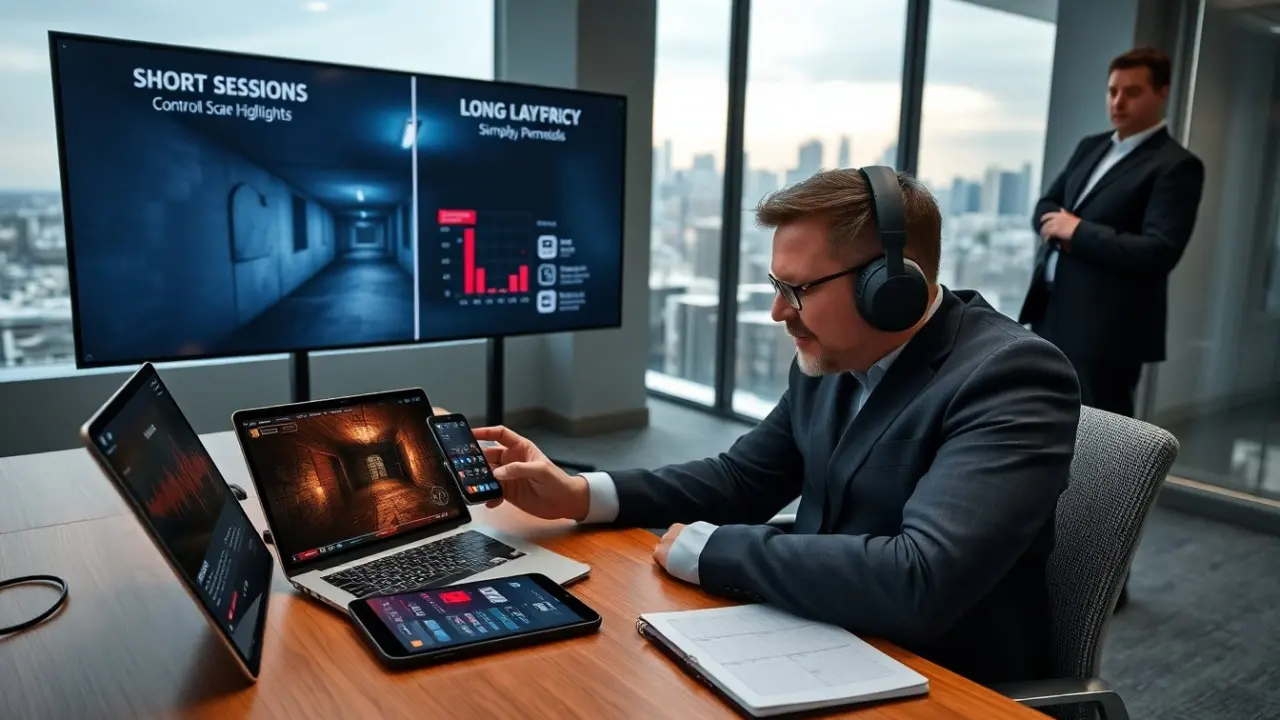
The best mobile horror games offer quick frights and long-form dread. They run on phones and load fast. They use sound, light, and choice to scare. Players find tense moments in short sessions. Players also find deep stories in longer games. This list shows the best mobile horror games for 2026 and why each title matters.
Key Takeaways
- The best mobile horror games in 2026 balance quick scares with deep immersive stories to suit different play styles.
- Great mobile horror games use tight audio, simple controls, and effective lighting to create tension and fear on modern phones.
- Short-session horror games deliver fast, intense scares ideal for brief playtimes with minimal battery drain.
- Long-form horror games offer layered storytelling, puzzles, and strategic resource management for players seeking deeper engagement.
- Top mobile horror games prioritize smooth performance, privacy, accessibility, and frequent updates for optimal player experience.
- Replayability, atmosphere, and responsive controls are key criteria in selecting the best mobile horror games for varied audiences.
What Makes A Great Mobile Horror Game In 2026
A great mobile horror game places players in a clear situation. It uses tight audio to set tone. It uses simple controls to keep focus on fear. It balances length so players can play in short bursts or long sessions. It supports modern phones and updates for stability. It respects privacy and asks for minimal permissions. The best mobile horror games make players feel vulnerable and curious. They create tension with light, sound, and limited information. They deliver scares without glitches.
Beyond those basics, the strongest titles adapt design choices to the mobile platform: tactile haptics that punctuate jumps, battery- and CPU-friendly rendering techniques, and UI layouts that work comfortably for one-handed play. They often include multiple difficulty or accessibility toggles—subtitled audio logs, colorblind-friendly visuals, and adjustable camera sensitivity—to keep the experience usable for more players. Narrative pacing is also key: good mobile horror titles avoid long, low-drama stretches and instead build dread through carefully timed reveals and environmental storytelling.
Technical reliability separates a good scare from a frustrating one. The best mobile horror games include clear save systems, predictable checkpoints, and options to lower graphical fidelity without changing gameplay. They also minimize intrusive monetization: cosmetic or convenience items are acceptable, but paywalls that interrupt the story reduce immersion. Finally, community and developer support—frequent bug fixes, responsive moderation, and thoughtful updates—help keep a game scary and playable months after release.
How We Picked These Titles (Replayability, Atmosphere, Controls)
The team tested many candidates on current phones. They judged replayability by objective scoring and repeated play. They judged atmosphere by sound design, lighting, and pacing. They judged controls by responsiveness and simplicity. They weighed updates, support, and community feedback. They considered free and paid models and in‑app pricing. They checked accessibility options and language support. They prioritized games that run well on midrange devices. They ranked the best mobile horror games by overall player experience and technical quality.
For replayability we looked for meaningful variation between runs: alternate endings, randomized elements, or unlockable content that encourages multiple sessions. Games that lean heavily on scripted jump scares scored lower unless they backed those scares with branching choices or extra modes. Atmosphere was evaluated both qualitatively and through repeat listens to soundtracks and environmental cues; a haunting ambient track that continues to reveal new details on subsequent plays is a major plus.
Controls were tested across phone sizes and generation ranges to ensure accessibility and comfort. We tested tilt and gesture inputs as well as traditional on-screen buttons, preferring layouts that reduce accidental inputs during tense moments. We also considered localization and text readability—important for narrative-driven horror—and the presence of community or developer-created guides that enhance long-term engagement.
Best Mobile Horror Games — Short Scares (Great For Quick Sessions)
This group of best mobile horror games suits short play sessions. They deliver tension with compact mechanics. They rely on jump scares, timed decisions, and simple puzzles. They let players stop and resume quickly. They fit commutes, breaks, and waiting rooms. They keep battery use low while keeping sound design strong. They include clear menus and short loading times. They let players taste fear without a long time commitment.
Short-scare titles excel when each minute counts: audio cues must be immediately informative, lighting must suggest rather than fully show, and mechanics should be intuitive so new players can feel competent instantly. Many of these games include short challenge modes or episodic chapters that can be completed in 5–30 minutes, plus leaderboards or score-based rewards that add replay value without extending session length. When choosing a short-scare game, look for ones that provide clear session goals and quick exits so you’re not locked into long cutscenes or mandatory downloads mid-commute.
Technical considerations for short sessions include small install sizes, offline play where possible, and low background battery consumption so the scare is accessible even on older phones. Developers who support solid haptic feedback and contextual audio cues tend to produce sharper, more memorable short scares than titles that rely solely on visuals.
Best Mobile Horror Games — Deep Immersion (Longer Stories And Atmosphere)
This group of best mobile horror games targets players who want longer sessions. These games deliver layered stories, puzzles, and slow dread. They use detailed environments and readable text. They include save systems and adjustable difficulty. They reward exploration and careful listening. They ask players to manage resources and think ahead. They run on modern phones and often include cloud saves. They promise longer commitment and richer payoff for patient players.
Deep-immersion titles are built for players who enjoy unraveling mysteries and spending time with characters and environments. Expect larger file sizes, more complex control schemes (multi-layered inventories, dialogue choices, and environmental interactions), and structured pacing that alternates tense set pieces with slower investigative stretches. These games benefit from well-implemented checkpoints, optional hints to prevent getting stuck, and clear quality-of-life features like auto-saving and customizable HUD elements.
When evaluating long-form horror on mobile, consider narrative coherence and how well audio and visuals scale across devices. A strong mobile horror experience in this category balances performance with fidelity: scalable graphics presets, adaptive frame-rate options, and smart caching reduce load times without sacrificing atmosphere. Many immersive games also include optional modes—new game+ features, extra chapters, or behind-the-scenes content—that extend playtime and justify a deeper investment of attention and device storage.