Best pixel art games offer strong visuals and clear gameplay that attract many players. This guide lists the best pixel art games in 2026 and explains why they matter. It highlights art, sound, design, and replay value. It helps readers pick titles that match their taste and device. The list mixes classics and modern hits that use pixel graphics with purpose.
Key Takeaways
- The best pixel art games combine strong visuals with clear gameplay to deliver an engaging experience.
- Pixel art enhances game design by using color, motion, and animation to guide player attention and communicate game elements effectively.
- Celeste exemplifies top pixel art games through its emotional animation, readable level design, and balanced challenge for all players.
- Choosing the right pixel art game depends on matching the game’s pace and UI clarity to your playstyle and device capabilities.
- Pixel art games often pair chiptune or lo-fi soundtracks with visuals to create immersive atmospheres without clutter.
- Look for pixel art games that use their visual style to enhance gameplay rather than mask weak design for the best experience.
What Makes Pixel Art Games Stand Out? Visual Style, Atmosphere, And Design Principles
Pixel art games use small sprites and limited palettes to convey detail. Artists place each pixel to shape emotion and movement. Designers use contrast, silhouette, and animation timing to support gameplay. Many titles pair chiptune or lo-fi scores with visuals to set mood. Players often feel nostalgia from the aesthetic, but developers also use pixel art for clarity and performance. The best pixel art games show purposeful design. They avoid clutter and keep readable screens. They use color and motion to guide attention and to signal threats, rewards, and secrets.
Beyond nostalgia, pixel art enforces constraints that can sharpen design choices. With fewer pixels to work with, teams prioritize readable silhouettes, expressive frame-to-frame animation, and carefully chosen palettes. That discipline often translates to better telegraphing of enemy behavior, more legible HUDs, and clearer feedback on success or failure. Pixel techniques like parallax layers, palette swaps, and limited-animation cycles are used purposefully to build depth, atmosphere, and character without overwhelming the player.
Atmosphere in pixel art games is a mix of visual language and audio design. Subtle animation—breathing backgrounds, blinking lights, and particle effects—creates life in a scene while staying within the aesthetic. Soundtracks and effects that complement pixel visuals make spaces feel cohesive: a lo-fi melody can turn an 8-bit field into a place with emotional weight, and terse sound cues can clarify inputs and outcomes. When art, audio, and mechanics align, pixel art games can deliver experiences that feel handcrafted and immediate.
How We Picked The Best Pixel Art Games (Genre Balance, Art Quality, Replay Value)
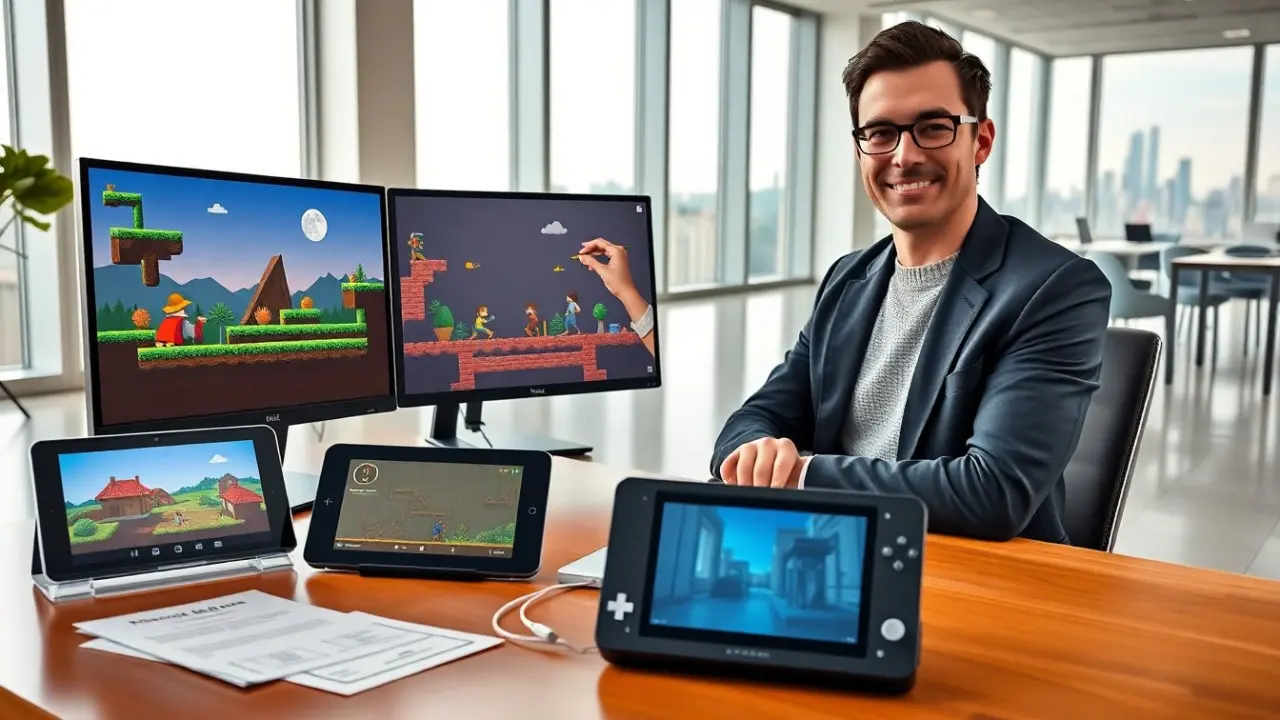
The team set clear criteria to pick the best pixel art games. They rated art quality on sprite work, animation, and palette. They rated design on readability, level flow, and UI clarity. They rated replay value by content depth, modes, and mod support. They balanced genres to include platformers, RPGs, roguelikes, and farming sims. They checked technical polish across PC and consoles. They read player reviews and tested the titles on handheld and desktop devices. They prioritized games that use pixel art to improve gameplay rather than hide weak design.
Selection included multiple practical checks: playing through tutorials and opening segments to judge onboarding, testing representative combat or farming loops to measure feedback clarity, and running a few hours of normal play to evaluate whether the art remains readable in busy scenes. We also considered longevity: whether the mechanics invite repeated playthroughs, whether levels or procedural systems remain engaging, and whether the game supports additional community-driven content.
We aimed for a genre-balanced list so readers can find the best pixel art games that fit their preferred playstyle—fast-action roguelikes for quick sessions, narrative platformers for emotional single-player runs, and simulation titles for relaxed, open-ended play. Where possible we note platform strengths and weaknesses so you can choose titles that perform well on your device and match the visual clarity you expect from pixel art.
Top Pixel Art Games To Play Now — Highlights And Why They Matter
This section lists standout picks from the team. Each pick shows why pixel art matters for fun and clarity.
Celeste — Emotional Platforming With Gorgeous Pixel Animation
Celeste pairs tight platforming with expressive pixel animation. The pixels show emotion in brief frames. The level design stresses short, clear challenges that teach skill. Players see readable hazards and receive quick feedback on hits and jumps. Celeste uses music and art to push its story without long cutscenes. Speedrunners and casual players both find value. Many players mention how the visuals help them focus on timing. Celeste ranks among the best pixel art games for its animation and design choices.
Stardew Valley — Cozy Simulation With Clear, Charming Sprites
Stardew Valley uses pixel art to make a welcoming, legible world. Crops, animals, and tools are visually distinct even at small sizes, which makes the daily loop intuitive. The art supports player expression through outfits, farm buildings, and seasonal changes. Combined with a gentle soundtrack and pacing, the visuals help reduce cognitive load so players can focus on choice and progression. For players who prize long-term goals and customization, Stardew is an excellent example of pixel art serving gameplay and mood.
Dead Cells — Fluid Combat, Crisp Animations, and Readable Chaos
Dead Cells demonstrates how pixel art can deliver fast combat without visual confusion. Enemy telegraphs, hit effects, and weapon animations are distinct, enabling high-skill play and responsive controls. The game’s palette and particle work help separate foreground action from background detail. For players who want twitch gameplay with clear feedback, Dead Cells shows how the best pixel art games can balance aesthetic and performance.
Hyper Light Drifter — Atmosphere and Ambiguous Storytelling Through Pixels
Hyper Light Drifter uses a bold palette and precise animation to craft mood and mystery. The world design favors exploration and environmental storytelling, with pixel compositions that reward careful observation. The game’s lighting and color contrasts are used to guide players through complex areas while maintaining an evocative tone. It’s a strong example of pixel art used to evoke themes and tone rather than literal detail.
Into the Breach — Tactical Clarity in a Minimalist Pixel Shell
Into the Breach uses simple, readable sprites to make tactical choices obvious. Grid lines, damage previews, and concise animations keep the action transparent even on small screens. The pixel art supports rapid planning and consequence reading, so the player can focus on strategy without visual ambiguity. For strategy-minded players, the game’s art choices underscore the importance of clarity in the best pixel art games.
These highlights are not exhaustive. Many other titles—indie and AAA—use pixel art thoughtfully to support mechanics, story, or mood. When pixel art is applied with intent, it becomes a design tool rather than a constraint.
How To Choose The Right Pixel Art Game For Your Playstyle And Device
Players should match game pace to their preference. They should pick slow sims for relaxation and fast roguelikes for quick runs. They should check controls for their device before buying. Handheld players should favor readable UI and clear fonts. PC players can check mod support and resolution options. Players should read short reviews to confirm frame rate and input lag. They should watch a brief clip to test visual clarity on their screen. Finally, players should pick a title that shows why the pixel art adds to the gameplay rather than distracts.
Beyond pace and controls, consider these practical checks before you commit: test the game’s scaling options (integer scaling vs. filtered scaling), look for explicit accessibility settings like colorblind palettes or text size, and confirm whether HUD elements remain legible during busy moments. If possible, sample the opening hour or play a demo—many pixel art games reveal their clarity and feel within the first segments. For multiplayer or competitive titles, check whether visual telegraphs are consistent so skill rather than screen noise determines outcomes.
Ultimately, the best pixel art games match aesthetic intent to gameplay. If you value narrative and atmosphere, choose titles that use pixel composition and sound to build mood. If you want tight mechanical challenge, prioritize crisp animations and readable combat cues. And if you plan to play on a small screen, prefer games that explicitly design for readability. That alignment—between art, mechanics, and platform—is what makes a pixel art game truly stand out.