Video game console history runs from the Magnavox Odyssey to today’s ninth generation: cartridges let one console play many games, the NES revived a market hit by the crash, PlayStation paired games with CD playback, and online services made consoles networked platforms.
The sections below follow those shifts in order and connect each hardware change to how people played. For what to play on current hardware, start with our guide to the best video games to play.
Home consoles before the NES, 1972 to 1983
The Magnavox Odyssey is the usual answer to what the first home console was. The Retro Gaming Expo console guide describes the Ralph Baer design as the world’s first home video game system, released in 1972 and predating Pong by over three years. The same guide dates the Pong clone systems to 1975 and names Atari, Magnavox and Coleco as the makers of the most popular ones.
Which console counts as the first
The answer depends on what you count. If you mean any home video game system, the Odyssey is first. If you mean the cartridge format that later defined consoles, Digital Trends says the Fairchild Channel F, at the start of the second generation in 1976, is widely accepted as the first widely available home console to read ROM cartridges. If you mean the first system to reach a broad audience, Retro Gaming Expo gives that role to the Atari 2600, also called the VCS, released in 1977 as the first cartridge-based system to become widely popular.
What cartridges changed
Once a console could read ROM cartridges, the hardware no longer fixed what you could play. A purchase of hardware could host many games, and new games became the reason to keep buying. That is the mechanism behind most of the console history that follows: the console is a platform, and software is what sells it. Digital Trends places the Atari 2600 and 5200 in the second generation, arriving in the late ’70s and early ’80s.
Retro Gaming Expo groups the consoles released before or during the 1983-1984 crash into one classic era, which shows how this first stage of the industry ended. The recovery came from a different company.
Console generations at a glance
The table lists the main hardware shifts in order, with the change each one meant for players.
| Era | Dates | Defining hardware or service | What changed for players |
|---|---|---|---|
| Early home systems | 1972 to 1975 | Magnavox Odyssey (1972); Pong clones from Atari, Magnavox and Coleco (1975) | Video games moved into the home |
| Second generation | 1976 to 1985 | Fairchild Channel F; Atari 2600 (1977); Atari 5200 | ROM cartridges let one console run many games |
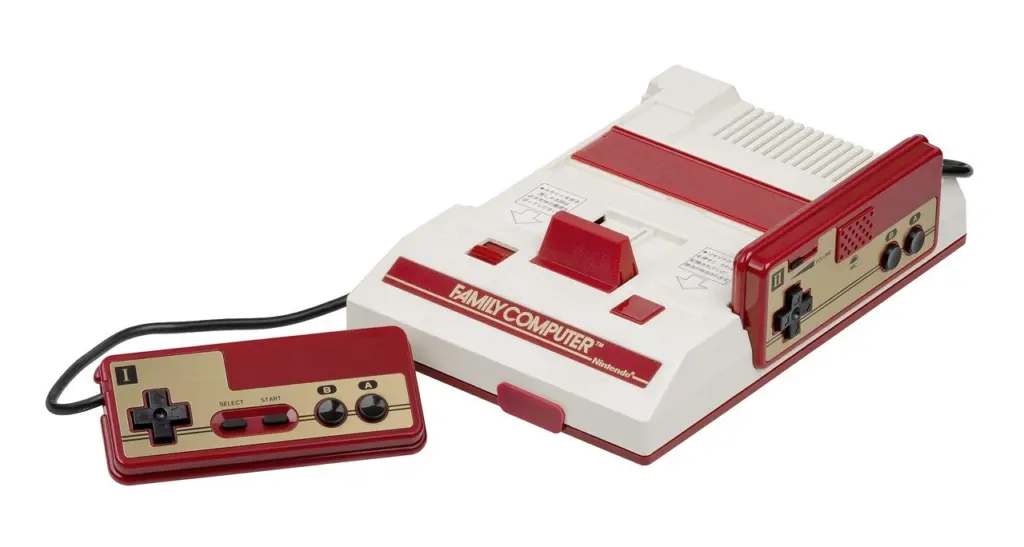
| Third generation | 1983 to 1990 | Nintendo Entertainment System | The market recovered after the crash |
| Fifth generation | 1993 to 2002 | Sony PlayStation | PS1 games combined with CD playback |
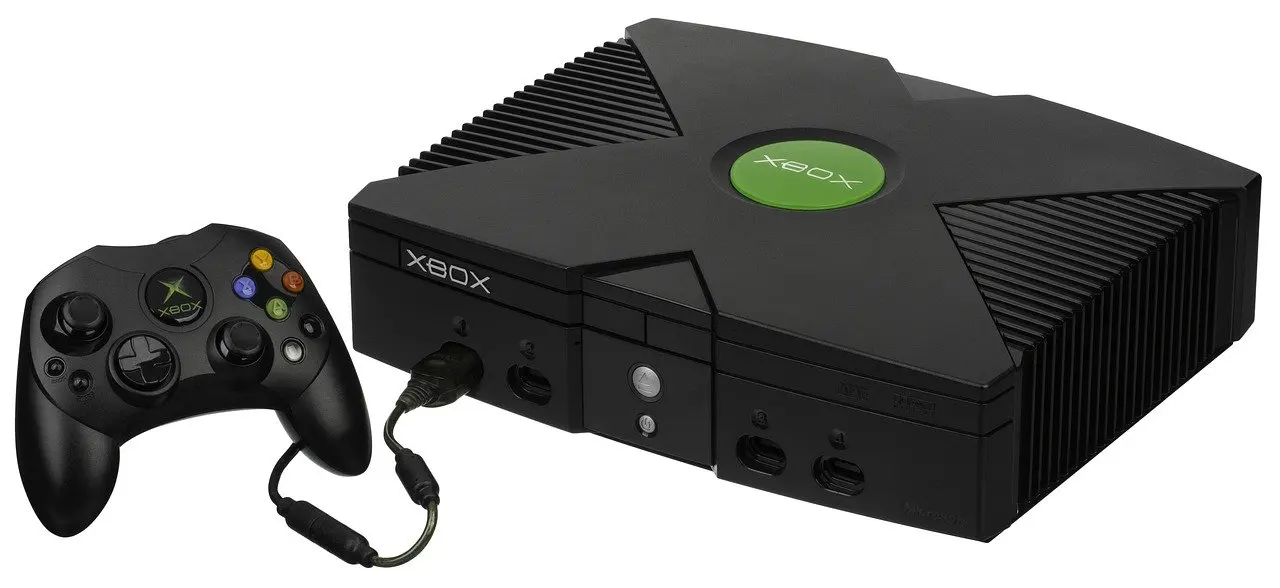
| Sixth generation | 1998 to 2005 | Sega Dreamcast; Xbox with Xbox Live; PlayStation 2 | Streamlined online multiplayer arrived on consoles |
| Seventh generation | 2005 to 2013 | Xbox Live; PlayStation Plus | Online multiplayer matured as a paid and competing service |
| Ninth generation | Current | Latest consoles | Entertainment boxes with app integration and online services |
Dates and generation labels come from the Digital Trends console timeline and the Retro Gaming Expo console guide.
Treat the date ranges as the period a family of hardware was active, not as clean hand-overs. The second generation runs to 1985 while the third begins in 1983, so consoles from two generations were on sale together.
Nintendo and Sega after the crash
Digital Trends says Nintendo entered the American market with the Nintendo Entertainment System and pulled the entire gaming industry back from collapse. Record Head’s Nintendo history dates the 8-bit NES to 1983 and says it set a new standard for home gaming. Digital Trends puts the third generation at 1983 to 1990, so the NES defines the whole era.
Nintendo was not alone. The Video Game Console Library timeline says the Sega Master System chased second place in the same generation, which implies the NES held the lead. For players, this is when one brand’s console became the default recommendation again, after a crash that had left the whole category in doubt.
The practical lesson is that hardware alone did not restore confidence; a console that recovered the industry’s footing did. That is also why the 8-bit look still has an audience. If you want to see that style reused in modern games, our list of Best Pixel Art Games To Play in 2026: 12 Handpicked Retro-Style Gems You Can’t Miss – Playtik collects retro-style titles.
PlayStation and the move to 3D and discs
Digital Trends says Sony’s PlayStation entered the console business and completely dominated the fifth generation, 1993 to 2002, with a combination of PS1 games and CD playback. The Video Game Console Library timeline is blunter: 3D takes over, and PlayStation reinvents the industry.
Two points follow from those descriptions. First, PlayStation won on a pairing of games and a media function, so the console stopped being only a games machine. Second, the generation is the one where 3D became the default way to present games. Both ideas prepared the ground for the later consoles that Digital Trends calls complete entertainment boxes.
If you are choosing which era to explore, the PlayStation generation is the best starting point for seeing how modern game presentation began. The cartridge-era hardware is better for understanding where the console idea began.
Online play: Dreamcast, Xbox Live and PlayStation Plus
Online play changed consoles from self-contained machines into services that keep working after you buy them. Players could join others without sharing a room, and the platform holder gained an ongoing relationship with them.
Dreamcast and broadband
The Video Game Console Library timeline says the Dreamcast launched broadband gaming. Digital Trends adds that it was Sega’s last hardware push, in the sixth generation, before Sega threw in the towel on hardware and focused on publishing. The Dreamcast was early to online play, and it was also the end of Sega’s console line.
Xbox Live and PlayStation Plus
Digital Trends credits the original Xbox with technical innovations such as a streamlined online console multiplayer experience through Xbox Live. In the seventh generation, 2005 to 2013, it says Xbox Live really came into its own for online multiplayer, with PlayStation Plus as a competing service. That makes the online service part of the buying decision: when you compare consoles, you are also comparing what the matching network offers.
Consoles as entertainment boxes
Digital Trends describes the latest consoles as complete entertainment boxes with more app integration and online services. This is the practical result of the shift from the cartridge era: the box in the living room is now a platform for games, media and an account.
Sales: what the record supports
Digital Trends says the PlayStation 2 remains the best-selling console ever made. The Video Game Console Library timeline says that in the seventh generation the Wii reinvented motion controls and outsold both of its rivals. Record Head says 2012’s Wii U went down as Nintendo’s least successful release to date.
Read together, those results show that sales followed a console’s pitch to players, not its hardware ranking. Sony’s best seller was the sixth-generation successor to the disc-and-media pitch, and Nintendo’s leader was a new way to control games. The Wii U result shows that the same company could not repeat the effect with its next system.
Using the timeline when you choose what to play
Match the era to what you want from a game. Cartridge-era hardware suits readers who want simple, short games and the history itself. The 8-bit generation suits anyone who wants the style that retro-inspired games borrow. Disc and 3D-era systems explain how modern presentation developed. Online-era consoles are the ones to consider if you want to play with others or rely on subscription services.
If puzzle games are your interest, The 10 Best Puzzle Games In 2026: Brain-Bending Picks For Every Player – Playtik covers picks for every player.
Frequently asked questions
Which generation are consoles in now?
Digital Trends says we are currently in the ninth generation of consoles, which it describes as entertainment boxes with app integration and online services. See the Digital Trends timeline.
Did Sega keep making consoles after the Dreamcast?
No. According to Digital Trends, the Dreamcast was Sega’s last hardware push, after which the company focused on publishing.
What followed the Wii U?
The Nintendo Switch, which Record Head lists as released in 2017.
Which companies made the most popular Pong clones?
The Retro Gaming Expo guide says Atari, Magnavox and Coleco made the most popular Pong clone systems, which arrived in 1975.