A friend talks about their Discord server, a Twitch stream and a weekend tournament, and you wonder what is gaming culture. It is the shared habits, communities and trends that grow around playing, watching and talking about games.
Treat it as four routes: watch, compete, belong and create. Every route ends back at a controller, keyboard or phone, so choose the one that matches what you want, try it for a few sessions, then play. The sections below take each route in turn, with a comparison table to help you pick.
Gaming culture in plain terms
Gaming culture is wider than the games themselves. It includes the places where players gather, the content people make and watch about games, the language they share, and the way characters, items and names carry meaning outside the game. A game is the starting point, and the culture is everything people build around it.
Why games became a shared reference
A 2007 NPD poll cited in a LibreTexts mass communication text found that 72 percent of the U.S. population had played a video game that year. Playing is therefore an ordinary pastime, not a niche one. You do not need to identify as a “gamer” to be part of the picture, and most people already share some of the references.
The same text explains the early appeal in two parts. Video games were both a fantasy world and a means to excel at something. That pairing is a useful lens for the rest of this guide. Almost every community, stream and tournament below offers one or both: a place to step into another world, or a place to get better at something and be recognised for it. If you are unsure which part draws you, that is a good way to choose a route.
Language and identity
Communities develop their own vocabulary, and a quick way into a conversation is to learn it. Our gaming slang glossary covers the terms you are likely to meet first. One word in particular carries a lot of social weight for newcomers, and What Is A Noob? The Complete 2026 Guide To The Term, Origins, And How To Move Beyond It – Playtik explains where it comes from and how to treat it.
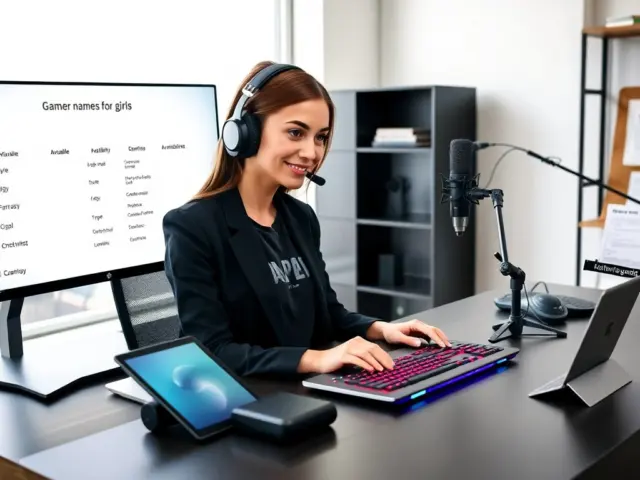
Identity is part of the culture as well. A parent-oriented explainer from Yakety Pack describes cosmetic items in game communities as identity expression in a digital space. The same logic applies to the name you choose. A handle is the first thing other players see, so it is worth some thought. If you want ideas, Gamer Names For Girls: 120 Creative, Cute, And Powerful Handles For 2026 – Playtik offers a long list to borrow from or adapt.
Choosing your route into gaming culture
The culture is easier to enter when you decide what you want from it first. Someone who wants to learn a game by watching needs a different starting point from someone who wants friends to play with tonight. Use the following order to narrow it down.
- Name your goal. Decide whether you mainly want to watch, compete, belong or create. Pick the one that sounds most appealing, not the one that sounds most impressive.
- Pick one entry point. Choose a single stream, server, tournament or sandbox world rather than sampling everything at once. Breadth comes later.
- Give it a few sessions. A first visit to any community feels awkward. Judge it after you have seen how people talk to each other, not after the first hello.
- Return to a game. Whatever you watched or discussed, finish by playing something related. That keeps the culture connected to the reason it exists.
The table compares the four routes on the same criteria so you can see where each one starts.
| Route | What you do | Where it happens | Suits you if | First step |
|---|---|---|---|---|
| Watch | Follow other people playing, including professionals | Streaming platforms such as Twitch and YouTube Gaming | You want to learn a game or enjoy skilled play before committing time | Follow one streamer of a game you already own |
| Compete | Play or follow organised tournaments | Esports, which owes a debt to the rise of streaming | You enjoy structured, ranked or team play | Watch a full match before entering any event |
| Belong | Talk, plan sessions and hang out with other players | Interest-based Discord servers with text and voice channels, plus in-game guilds | You want people to play with more than you want content | Join one server for a game you actually play |
| Create | Build worlds, items and experiences | Sandbox games such as Minecraft and Roblox | You would rather make something than win something | Spend a session building with no goal at all |
The streaming and esports rows draw on LRM’s overview of how gaming became a pop culture phenomenon, and the server and sandbox rows draw on Yakety Pack’s guide to gaming culture.
The routes overlap, and most people end up using several. A viewer often drifts into a community server, and a community member often tries a tournament. Starting with one route is a way to avoid being overwhelmed, not a commitment to stay in it.
Watching: game streaming and esports
If you would rather learn by observation, begin here. Game streaming means watching someone else play live or in recordings, and for many people it is the first contact they have with the wider culture before they join anything.
What streaming adds to gaming
According to LRM, streaming platforms like Twitch and YouTube Gaming helped grow the careers of professional gamers. A separate overview from Turbo Smurfs goes further and describes Discord, Twitch and in-game guilds as vibrant social hubs. Together these descriptions show that streaming is more than a broadcast. The audience is also a place where people meet and share a reaction to the same moment.
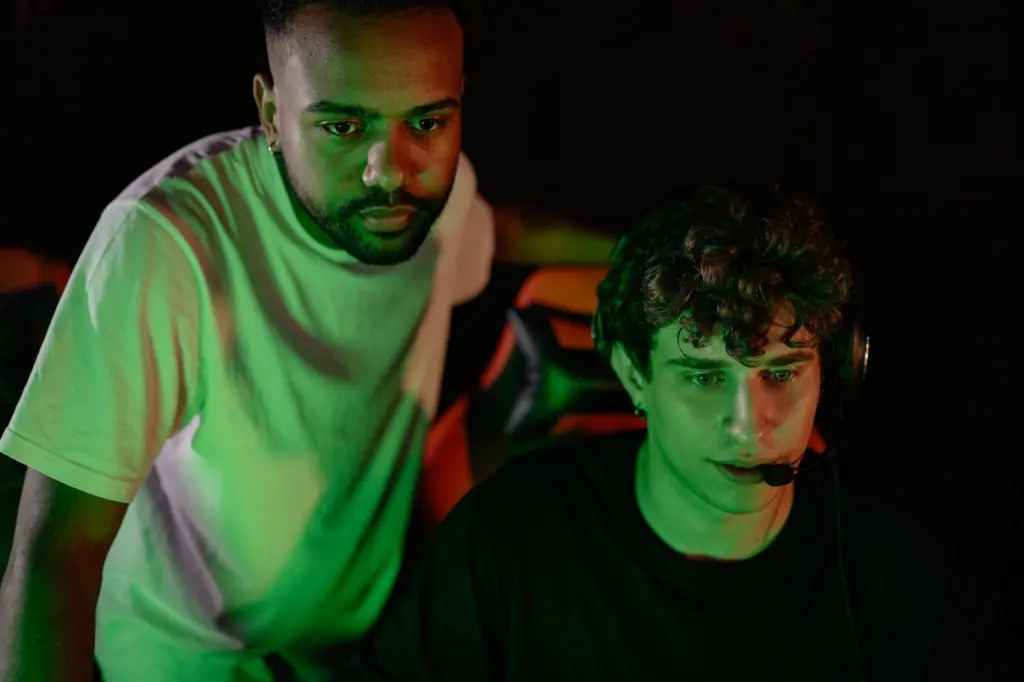
For a newcomer the practical advice is simple. Choose a streamer who plays a game you own or are thinking of buying, and watch for how they talk about decisions as well as how they play. Commentary teaches more than silent skill does. If a particular stream feels hostile or exhausting, leave and try another, because the atmosphere of a channel is part of what you are choosing.
How esports became popular
Esports is organised competitive gaming, and LRM states plainly that it owes a debt of gratitude to the rise of streaming. That is the clearest explanation of its popularity in the verified record. Tournaments existed before, but streaming let anyone watch matches without travelling, and it gave professionals a way to build an audience between events.
The same source notes that everything from iGaming to esports saw a surge in interest. That surge is a reminder that audiences grow when more people are looking for something to watch and play, not only when a new game appears.
If you want the rules of the scene, how teams, leagues and events fit together, start with what is esports. Phones are a major part of competitive play as well, and mobile esports games are worth a look if you do not own a console or a gaming PC.
A caution on audience numbers. Esports viewership statistics change often and come from different counting methods, so treat any single headline total with care. Compare events of the same kind and the same year, and use figures to judge relative interest rather than as exact counts.
Speedruns and live events
Not every spectator sport in gaming is a tournament. Speedrunning has its own records, techniques and fundraising events, and what is speedrunning explains how it works for a first-time viewer. Fans who want to see the culture in person can read about the biggest gaming conventions to decide whether the trip, the cost and the crowds suit them.
Belonging: how gaming communities work
A gaming community is a group of people united by a game, a genre or a way of playing. The pattern is old. The LibreTexts text notes that in the early 1970s programmers got together in groups to play Spacewar!, which makes shared play a feature of video games almost from the start.
Online multiplayer then changed the scale. LRM calls it the defining trend of the 2000s, and it let the same kind of group form between people who would never share a room. Today the Turbo Smurfs overview describes Discord, Twitch and in-game guilds as social hubs, which is a good summary of where a community actually lives.
How a server or guild is organised
The Yakety Pack guide describes Discord servers as organised by interest, with voice channels for hanging out. That structure explains how most communities work in practice:
- Interest sets the boundary. A server for one game, genre or hobby keeps conversation on topic and makes it easy to find people who care about the same thing.
- Text and voice serve different moods. Text channels suit questions, links and planning. Voice channels suit playing together and casual conversation.
- Guilds tie the group to the game. An in-game guild gives members a shared identity inside the game and a ready-made group for team content.
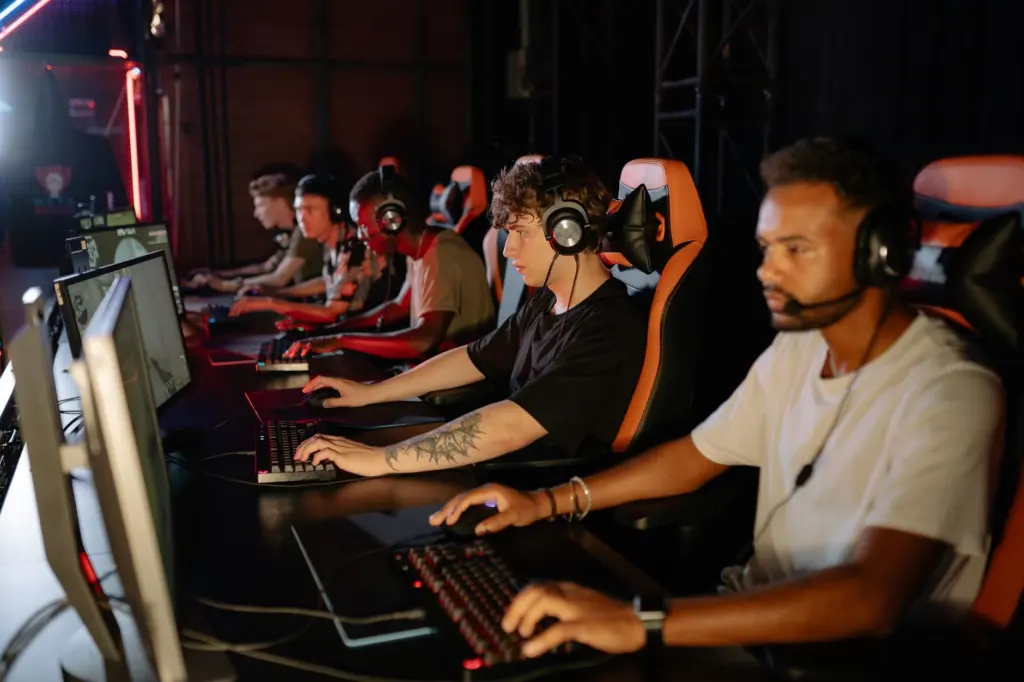
The best first move in any of them is to read before you speak. Watch how members ask for help, how disagreements are handled and what the unwritten rules are. Then introduce yourself with a specific question or a request to play, which is easier to answer than a general hello.
Finding people to play with
If you do not yet belong to any group, the practical question is where to look. how to find gaming friends walks through the options for players who are starting from nothing. Players who prefer faces to usernames can try something older, and what is a lan party explains how a room of linked machines works and how to host one.
Etiquette and shared terms
Most communities forgive a newcomer’s mistakes if the newcomer is polite and willing to learn. Terms such as being away from the keyboard come up constantly in voice and text chat, and What Does AFK Mean? The Simple Guide to AFK in Gaming, Chat & Work (2026) – Playtik is a short reference for that one. Using the shared vocabulary correctly signals respect for the group.
When a community is not right for you
Communities differ widely in tone, and a group that treats insults as banter will not suit everyone. If a space repeatedly makes you dread logging in, that is a good enough reason to leave, and you do not owe it an explanation. Reading Inside The Most Toxic Gaming Communities: How They Form, Harm, And What To Do About It (2026 Guide) – Playtik will help you recognise warning signs and decide what to do. Some players want spaces designed for inclusion from the start, and women in gaming covers representation and safer play in more depth.
Creating: Roblox and sandbox worlds
The create route suits people who care more about making than winning. The Yakety Pack guide places sandbox games such as Minecraft and Roblox in a category defined by creativity and autonomy. In those games the main activity is building, and the community is made up of the people who build alongside you.
The Roblox community is a good illustration of how creation and belonging reinforce each other. Because the game is organised around what players make, a player’s identity often comes from what they have built as much as from how well they play. That is a different social shape from a ranked match, where status comes from results.
To get started, open a sandbox world and build something small with no target. Look at what other players have made, and notice which ideas you would like to copy or improve. If you enjoy it, the next step is joining a group around the game, which connects this route directly to the community route above.
Creation also leads beyond a single game. Players who start by modifying a world sometimes become interested in making a whole game, and what is an indie game explains how independent developers and game jams work. That is an advanced step, and it is entirely optional. Plenty of people stay in a sandbox because it is relaxing.
Trends and limits worth knowing
Gaming culture matters more as the industry around it grows. LRM cites Newzoo for a global gaming market of $184 billion. That is the economic backdrop for streaming careers, tournaments and the large communities described above. The figure is a market estimate, so read it as an indication of scale and not as a guide to what any one game or community is like.
Scale brings questions, and two of them come up often enough that they deserve a direct answer elsewhere. The first is about time and balance, and is gaming addiction real looks at the signs, the research and what healthy limits can look like. The second is about whether games change behaviour, and do video games cause violence sets out what research says. Both are better read in full than summarised in a line here.
For your own play, the sensible position is to keep the culture in service of the games. If watching, chatting or collecting starts to replace the playing you enjoy, step back to the route that restores it. If a community starts to feel like an obligation, you can reduce your involvement without losing the game.
Bringing it back to playing
The point of understanding gaming culture is to play better, with more company and more enjoyment. A simple sequence keeps every route pointing back at a game:
- Choose one game. Use something you already like, or something a friend has mentioned.
- Watch a little first. A stream or a match recording shows you the vocabulary and the standard of play you are walking into.
- Join one community. Pick a server or guild for that game and ask a single specific question.
- Play with someone. Use the community to set up a session, even a short one.
- Make something of your own. Build, customise or name something. That turns a visitor into a participant.
You can repeat the loop with a different game or a different route whenever you like. The culture is large enough to absorb any pace, and none of it requires you to be an expert before you start.
Frequently asked questions
| Question | Answer |
|---|---|
| Is gaming culture only for teenagers? | No. ESA data cited in the LibreTexts text put the average age of video game players at 35 in 2009, so adults make up a large part of the audience. |
| Is gaming culture recognised outside games? | Yes. In a 2007 poll described by the same text, more Canadians surveyed could identify a photo of Mario from Super Mario Bros. than the prime minister. |
| Does mobile gaming count? | Yes. LRM reports that mobile gaming accounts for over 50% of the total global gaming industry, and that the mobile segment overtook console and PC revenue for the first time in 2016 at around $38 billion. |