The best mobile games depend on how long you play and what you will spend: pick short-session casual games if you play in breaks, free-to-play if you want to start at no cost, and check ratings and charts before installing.
For a ranked shortlist, see The 25 Best Mobile Games in 2026: Top Picks For Every Player – Playtik. This guide explains how the stores, charts and free-to-play pricing work, so you can judge any list, including that one.
Choosing the best mobile games for your situation
A store with 330,378 games cannot be browsed, so narrow it with a few decisions in a fixed order. First, decide how long a typical session lasts. Second, decide what you are willing to pay. Third, decide which device and connection you will play on. Genre comes last, because the first three rule out more titles than genre does.
Session length comes first
Casual games are well suited to mobile, ideal for quick commutes or breaks thanks to their low commitment. That low commitment is the main criterion for most phone players. If your play happens in gaps between other tasks, choose games that make sense at a glance and do not punish you for leaving mid-round.
- Short, frequent visits: Puzzle and match-style games, and progress-while-away designs such as the ones in The Best Mobile Idle Games In 2026: 10 Addictive Picks For Every Player – Playtik, fit people who open a game several times a day for a minute or so.
- Unwinding at the end of the day: Gentle, low-pressure titles with no timers or ranking pressure suit evening play. The Best Cozy Mobile Games In 2026: Relaxing Picks For Chill Sessions – Playtik covers that style.
- Long, focused sessions: If you can sit for an extended stretch, deeper games with progression systems repay the time. The genre section below points to those.
If you are unsure which group you belong to, start with the shortest-session option. It is easy to move up to a deeper game later, but a game that demands long sessions tends to be abandoned when it does not fit your day.
What you are willing to pay
Free is the default on both major stores, and the comparison table later in this guide shows how heavily free listings dominate. A free download is a starting price, not a promise that the game never asks for money. Decide before you install whether you want a game that is complete when you buy it, a free game you will only ever play for free, or a free game where you may spend a set amount.
Each answer points to a different shortlist. Players who dislike interruptions can look at No-Ads, All Fun: The Best Mobile Games Without Ads In 2026 – Playtik. Players who prefer paying once and then playing without prompts can look at Best Paid Android Games 2026: 3 Premium Picks That Are Worth Every Penny – Playtik. Players happy with free-to-play need the money section below, because the business model shapes how the game behaves.
Device and connection
Hardware and connectivity change which games are practical, not only which are enjoyable. Match the game to the setting you actually play in:
- iPhone owners: Start with best iphone games for titles worth installing on Apple hardware.
- Players considering new hardware: If demanding games stutter on your current handset, best gaming phone explains which specifications matter before you buy. Casual games rarely need that upgrade.
- Tablet players: A larger screen helps with detailed interfaces and strategy games; Best Android Tablet Games In 2026: 30 Top Picks And How To Choose Them – Playtik narrows the field.
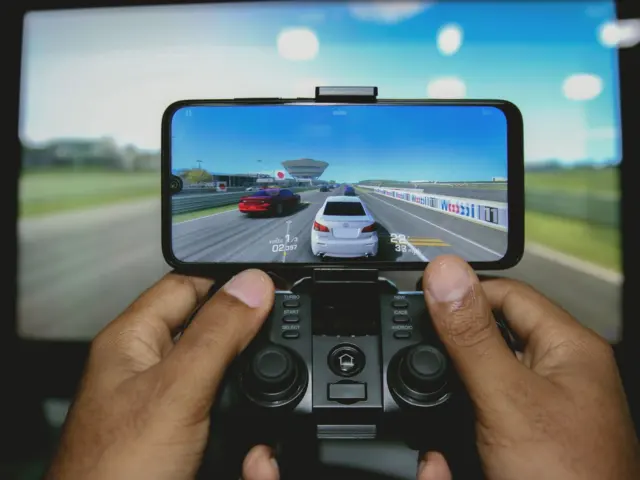
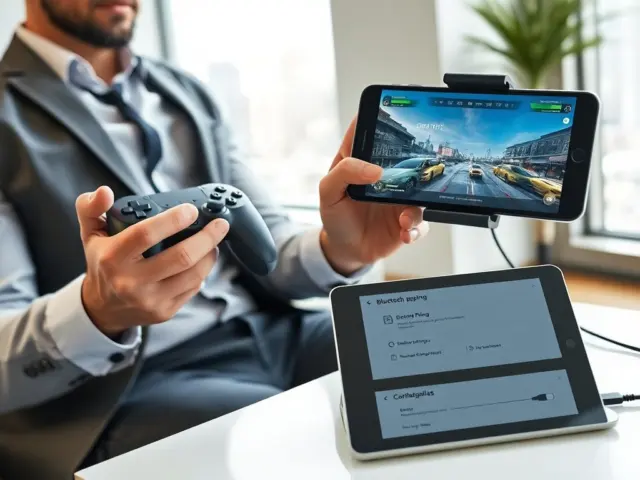
- Players who prefer physical buttons: Best Mobile Games With Controller Support In 2026: Top Picks, Setup Tips, And What To Expect – Playtik covers which games work with a paired controller.
- Travellers and low-signal commuters: Games that run without a connection avoid dropped sessions. See The Best Offline Mobile Games In 2026: Top Picks For Travel, Data-Free Play, And Long Flights – Playtik.
Reading app store charts and ratings
Store charts show what people are installing or spending on right now; they do not rank game quality. Use them to discover candidates, then apply your own criteria from the section above before you install anything.
What the iPhone games chart shows
The App Store iPhone charts page listed Meowdoku! Brain Puzzle Games at #1 in a snapshot fetched on 2026-10-24, with Block Out! – Color Sort Puzzle directly behind it. A brain-puzzle title at the top tells you something useful about the iOS storefront: easy-to-learn puzzle play with no setup is what attracts installs in volume. It does not tell you the game is the best fit for you, and a puzzler with a short shelf life may drop out of the chart quickly.
The same snapshot placed MONOPOLY GO! well down the iPhone games chart. That is a useful contrast with the money picture covered below: MONOPOLY GO! was the highest-earning game on the US App Store in August 2026. A game can sit well down a popularity chart and still lead on earnings, so a single chart is never the whole story. Read the chart you are looking at as a measure of one thing, either installs or revenue, and compare two charts before drawing conclusions.
How much weight to give ratings
Ratings are a helpful filter only when enough people have left them. Plenty of store listings carry none at all, and the table near the end of this guide shows how large that unrated share is on each store. A very high average built on a handful of reviews is weak evidence, whereas a solid average across a large number of ratings is stronger. When two similar games look equal, prefer the one with the larger and longer-running rating history.
It also helps to read the written reviews that mention spending, difficulty walls or session length. Those comments describe how a game behaves over weeks, which a star average cannot show.
How free-to-play mobile games make money
Free-to-play mobile games make money by letting you download and start for nothing, then earning revenue from in-app purchases that players choose to buy after they are hooked on the loop. The top-grossing chart is the closest public window into this, and it shows a market where casual games rely on in-app purchases while other apps lean on subscriptions.
What the grossing chart measures
The App Store top-grossing chart ranks apps by revenue from subscriptions, in-app purchases and paid downloads combined. It refreshes daily and runs 200 apps deep. Apple itself publishes no revenue figures, so this chart is the closest public view of who earns what. Treat it as a ranking, not an audit: it shows relative position, not payment totals.
The monetization mix among top earners
Among the US top 20 grossing apps in August 2026, 15 monetized primarily through a subscription. The other 5 ran on in-app purchases, and those 5 were TikTok and 4 casual games. Two readings follow from this.
- In-app purchases are the casual-game model: Four of the five in-app-purchase earners were casual games, which is why free-to-play casual titles are built around optional purchases rather than an upfront price.
- Games are a smaller share of the top earners than a year earlier: Games held 9 of the top 20 spots in August 2025 and held 4 positions in August 2026. That is a shift in the top-earner mix, not a sign that games stopped earning.

Long-running casual games keep earning
Staying power is a feature of the casual segment. Candy Crush Saga spent 46 days in the grossing top 10 across the year tracked, from August 2025 to August 2026. A game that has been around for years and still reaches the top earners is built to keep players returning, which is useful to know when a game asks you for money shortly after you install it.
What this means for you as a player
Because casual games earn through in-app purchases, expect purchase prompts and treat them as optional. The healthy approach is to set the amount you are comfortable spending, if any, before you start. Then judge the game on whether it is enjoyable at that budget, including zero. If a game is only fun when you buy, it is a poor match for a free-play approach, and a paid or ad-free alternative from the cost section may suit you better.
Collectible-style games push this model furthest, because chance-based rewards are the product. If that style interests you, read What Are Gacha Games? The Complete Guide To How They Work, Why They’re Addictive, And How To Play Smart In 2026 – Playtik before spending anything.
Casual play and playing responsibly
Casual play works best when the game stays a pastime rather than a habit you manage. Playtik-style casual games share a recognizable shape: simple rules, short sessions, a free start and optional purchases. Because that shape is designed to bring you back, a few ground rules decided in advance do more than willpower in the moment.
Before you spend
- Set a budget first. Decide the most you would spend on a game in a month, including nothing, and write it down before opening the store.
- Treat virtual currency as money. Coins, gems and tokens can make a purchase feel smaller than the real price on your card. Convert it in your head before tapping buy.
- Check your account controls. Look in your device and store account settings for purchase approvals or spending restrictions, especially if children can reach the device.
- Read what you are buying. Look at whether a purchase is a one-off item, a recurring subscription or a chance-based reward, because the three behave differently.
Keeping sessions in proportion
Casual games suit gaps in a day, so let them stay in those gaps. Pick a natural stopping point, such as the end of a level or the end of a commute, and stop there instead of chaining rounds. Notifications that pull you back in are optional, so switch off the ones that nudge you toward play or purchases you did not plan.
Pay attention to how you feel afterwards. A game that leaves you relaxed is doing its job; a game that leaves you irritated, short of time or tempted to spend to catch up deserves a break or an uninstall.

Try before you install
If you want to test a genre without committing storage or an account, browser play is an option. CrazyGames offers mobile games playable for free with no download or installation required, and its popular list includes Bloxd.io, Mahjongg Solitaire and Piece of Cake. A few rounds in the browser show whether a puzzle, solitaire or merge game holds your attention before you give it a home screen slot.
Where to go next by genre
Once session length, cost and device are settled, choose a genre by the experience you want from the time you have. Each pick below leads to a more detailed guide.
- Story and character progression: Choose RPGs when you want growth over weeks. RPG Mobile Games 2026: The Ultimate Guide To The Best Titles, Styles, And How To Choose – Playtik compares the styles, and best mmorpg for mobile suits players who want a persistent online world and are comfortable with a long-term commitment.
- Collecting characters: Gacha games reward patience and a firm budget. The 9 Best Gacha Games In 2026: Fun, Fair, And Worth Your Time – Playtik lists current options, and Upcoming Gacha Games in 2026: What To Watch and How To Prepare – Playtik helps you plan for new launches without rushing in.
- Fast reflexes: Action fans should look at The 11 Best Mobile Shooter Games Right Now (2026): Fast Action, Tight Controls, And What To Play Tonight – Playtik, and speed fans at Best Mobile Racing Games in 2026: 5 Must-Play Titles for Speed Lovers – Playtik.
- Playing with other people: If your priority is company, The 15 Best Multiplayer Mobile Games To Play With Friends In 2026 — Tested, Ranked, And Ready – Playtik is the place to start. Competitive card-battle players can go deeper with Golem Deck Clash Royale: The 2026 Guide To Building A Crushing Win Condition – Playtik.
- Atmosphere and tension: Horror suits players who want a controlled scare, and The 10 Best Mobile Horror Games In 2026: Short Scares And Deep Frights For Every Player – Playtik separates short jolts from long-form dread.
- Relaxed, low-stakes play: If this guide’s casual focus is your own, stay with puzzle, match, solitaire and idle titles, and use the responsible-play rules above as a standing checklist.
As a rule of thumb, the more a genre rewards daily logins, limited-time events and chance-based rewards, the more important your spending limit becomes. Genres built around skill, such as racing and shooters, tend to be easier to enjoy at no cost because ability matters more than purchases.
App Store and Google Play compared
The two main stores differ in size, price mix and how much rating history they hold, and those differences help you set expectations. The table gathers the scale figures in one place so you can use them when deciding where to shop and how much to trust a listing.
| Measure (as of 24 Oct 2026) | App Store | Google Play | Planning use |
|---|---|---|---|
| Games listed | 266,576 (9.68% of listings) | 330,378 (12.45% of listings) | Both are far too large to browse; use charts and genre guides to narrow the field. |
| Free apps | 2,612,554 (94.95%) | 2,576,208 (97.09%) | Free is the norm on both stores, so a price of zero says nothing about quality or later spending. |
| Paid apps | 138,852 (5.05%) | 77,216 (2.91%) | Paid titles are a small minority; shortlist them deliberately if you want no in-app prompts. |
| Apps with at least one rating | 1,025,772 (37.26%) | 1,209,801 (45.58%) | Most listings are unrated or thinly rated, so weigh the number of ratings and not only the average. |
| Apps published in the last month | 144,736 (iOS) | 89,114 (Android) | New arrivals appear constantly; a new listing has no track record, so wait for ratings. |
Counts are from store statistics, which track both stores and describe apps and games as the two primary mobile app categories.
Three practical conclusions follow. First, Google Play lists more games and a larger share of its catalogue is games, so Android players have more choice but more sifting to do. Second, the App Store has the higher share of paid apps, which is a reason iPhone owners may find paid, prompt-free games easier to locate. Third, the unrated majority on both stores means a listing with a deep rating history is a meaningful signal in its favour.
Frequently asked questions
Can I try mobile games without downloading anything?
Yes. CrazyGames offers mobile-friendly games in the browser for free with no download or installation required, which makes it a low-commitment way to sample puzzle, solitaire and merge styles first.
Does Apple publish how much each game earns?
No. Apple publishes no revenue figures, so the top-grossing chart is the closest public view. It ranks apps by combined subscription, in-app purchase and paid-download revenue, as Appradar explains.
Why do some of the biggest earners not appear in the free download charts?
Downloads and revenue measure different things. In August 2026, 14 of the 20 top grossing US App Store apps appeared nowhere in the free top 50, so a game can earn heavily without being among the most installed.
Is a free game really free?
The download is, but free-to-play games earn through optional in-app purchases. You can often play without spending, though results depend on how the game is designed, so set a budget before you start and treat zero as a valid one.